The Packaging Design Process: From Brief to Shelf
Packaging is often the only physical contact a customer has with your brand. It has to protect the product, communicate quickly, comply with the law, survive transport and make someone want to pick it up. That is a lot to ask of a box, and it is why a good packaging project follows a clear process rather than starting with a pretty picture.
1. The brief
Every project begins with a brief that defines:
- The product and what makes it different
- The target customer and where they shop
- Competitors and the shelf or screen environment
- Price position and brand personality
- Practical constraints: size, materials, budget, minimum order quantities
- Regulatory and labelling requirements
- Timing and launch plans
A weak brief produces weak work. If you do not have one, our packaging design brief template will help.
2. Research and audit
Designers study the category: how competitors look, what conventions exist and where there is room to stand out. For retail products, that means visiting stores and photographing the shelf. For online products, it means examining how packs appear in search results and on delivery.
The aim is to find the space between "recognisably in this category" and "distinctly ours".
3. Strategy and positioning
Packaging should express the brand, so the underlying position matters. If the brand is not yet clear, settle that first. See brand strategy versus brand identity.
Decisions at this stage include the hierarchy of information (what the customer must see first, second and third), the tone and the key claims.
4. Structural thinking
Packaging has shape as well as graphics. The structure, format and materials affect cost, protection, sustainability and shelf presence. Options include boxes, pouches, tubes, bottles, jars, sleeves and mailers.
At this point, decide whether you need a standard format that suits production, or a custom structure that will cost more but differentiate. Our guide to sustainable packaging design in the UK covers material choices.
5. Concept design
The design team develops routes, usually two or three, each with a distinct idea. Good presentations show:
- The concept and the reasoning behind it
- Front of pack and key panels
- A range view to show how variants work together
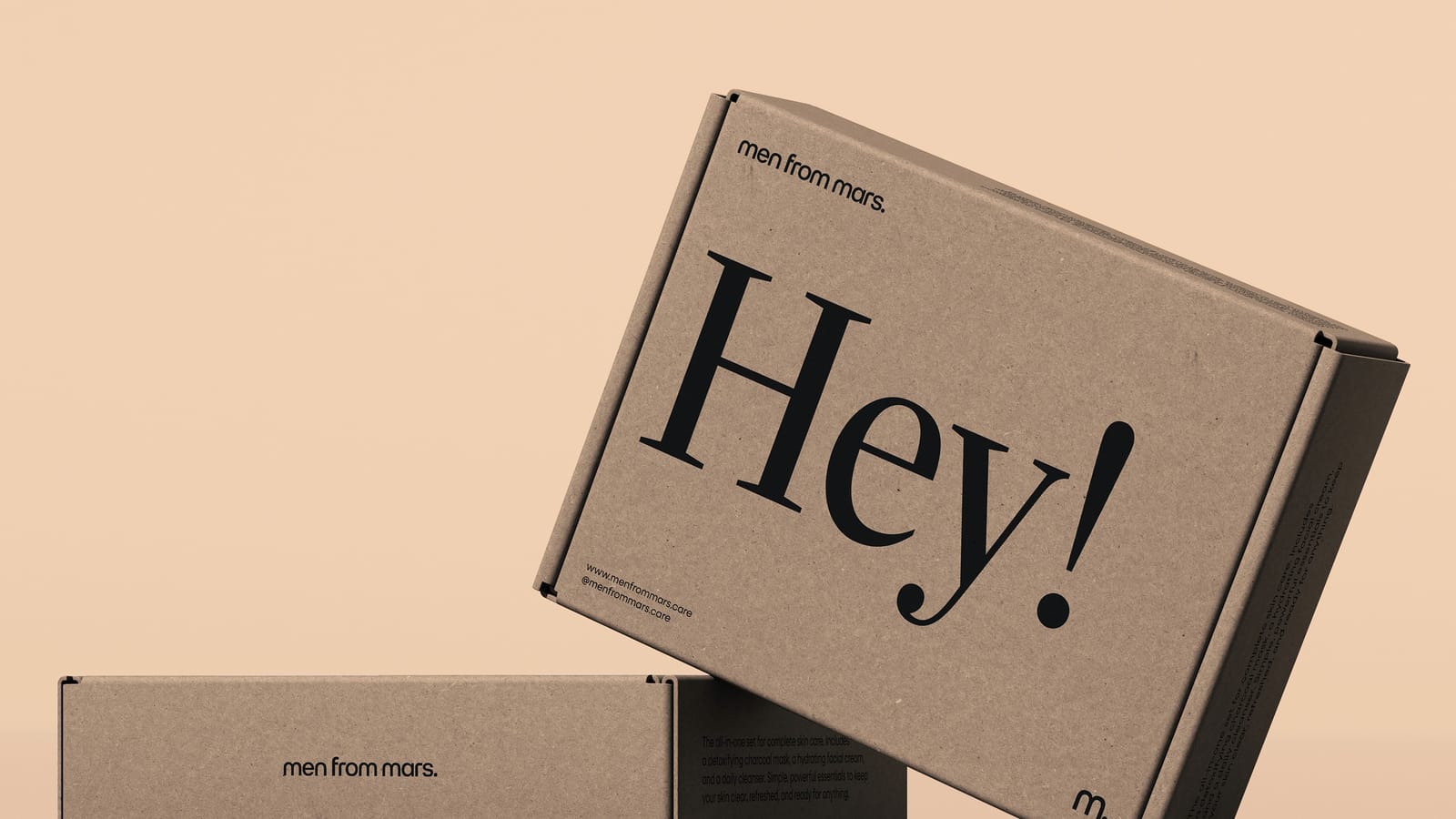
- Early mock-ups in context, such as on a shelf or in a delivery box
Feedback is most useful when measured against the brief rather than personal taste.
6. Refinement
Once a route is chosen, the details are developed: typography, colour, illustration or photography, copy, icons and structure. The range architecture is designed so new flavours or sizes can be added without redesign.
7. Compliance and copy
Check mandatory information with specialists or relevant authorities. Requirements vary by product category and can cover ingredients, allergens, weights, warnings, recycling information, batch codes and barcodes. Treat this as a design input, not a last-minute add-on, because it affects layout.
8. Prototypes and testing
Before print, make physical samples. They reveal problems that screens hide: colours that shift on certain stocks, text that is too small, structures that do not fold properly. Test with real people if you can, asking:
- Can they find the product on a crowded shelf?
- Do they understand what it is within seconds?
- Does it feel like the right price?
- Is it easy to open and use?
9. Artwork and print production
Final artwork is prepared to the printer's specifications: dielines, bleed, colour profiles, finishing options like foil, embossing or varnish. A proof is approved before the main run. Experienced designers coordinate closely with the printer to avoid costly errors.
10. Launch and review
After launch, gather data on sell-through, customer feedback and handling. Packaging is rarely perfect first time. A review after a few months can inform adjustments, particularly for range extensions.
How long does it take?
Timelines vary with complexity, number of variants, approvals and print lead times. A simple label may take a few weeks, while a custom structure and full range can take months. Build in buffer for testing, compliance and production.
Common mistakes
- Designing before the brief and positioning are clear
- Choosing materials or structure last
- Cramming in too much information
- Ignoring how the pack looks online as well as on shelf
- Skipping prototypes
- Leaving compliance to the end
Frequently asked questions
How much does packaging design cost?
It depends on scope: single pack or range, structural design, number of variants and rounds of revisions. Our article on branding costs explains what drives price in general.
Do I need structural design?
Not always. Many products work in standard formats, with the graphic design doing the differentiating.
Can packaging and branding be done together?
Yes, and it is usually more effective. Our packaging work is built on the brand strategy.
Where can I see examples?
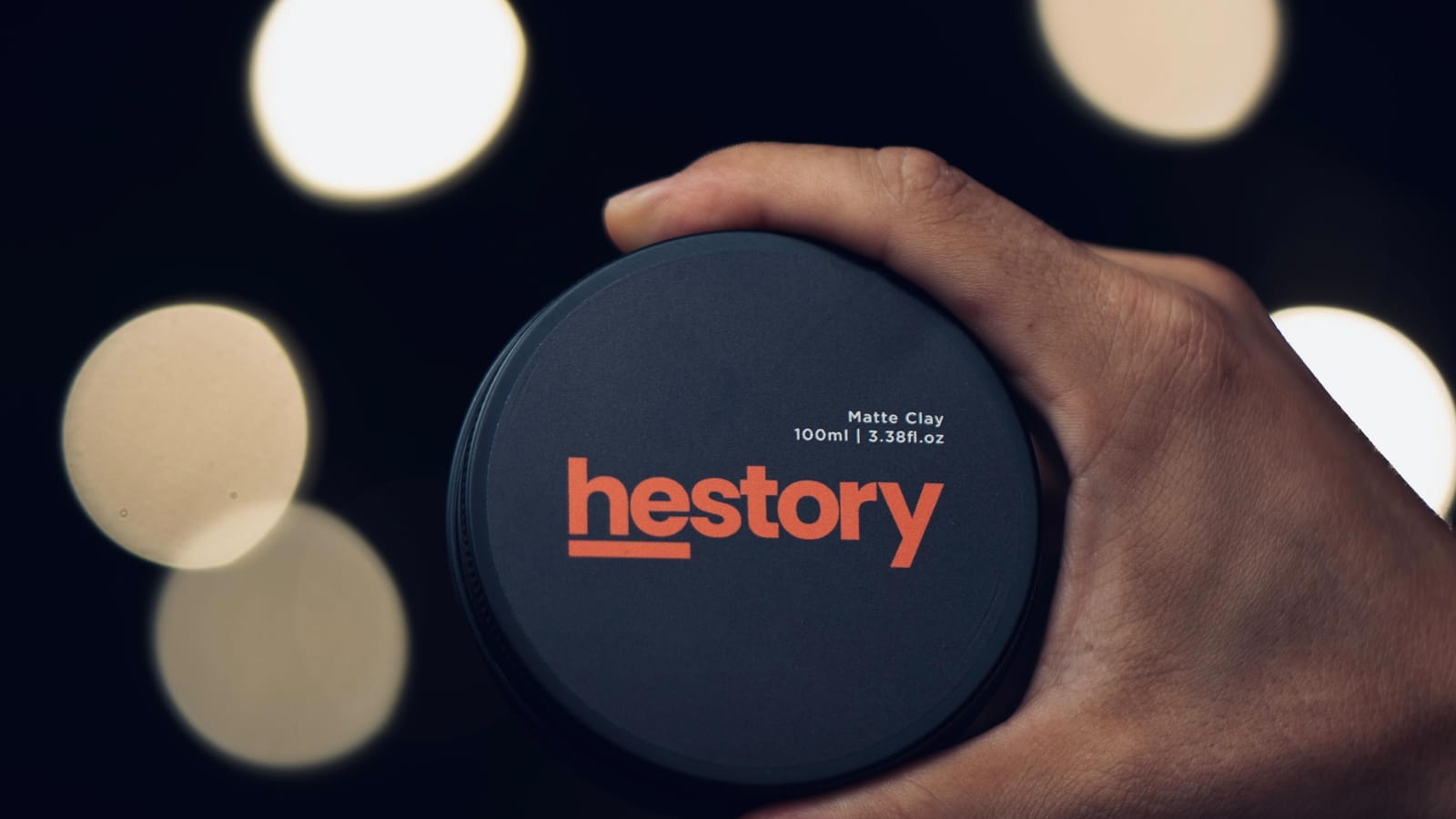
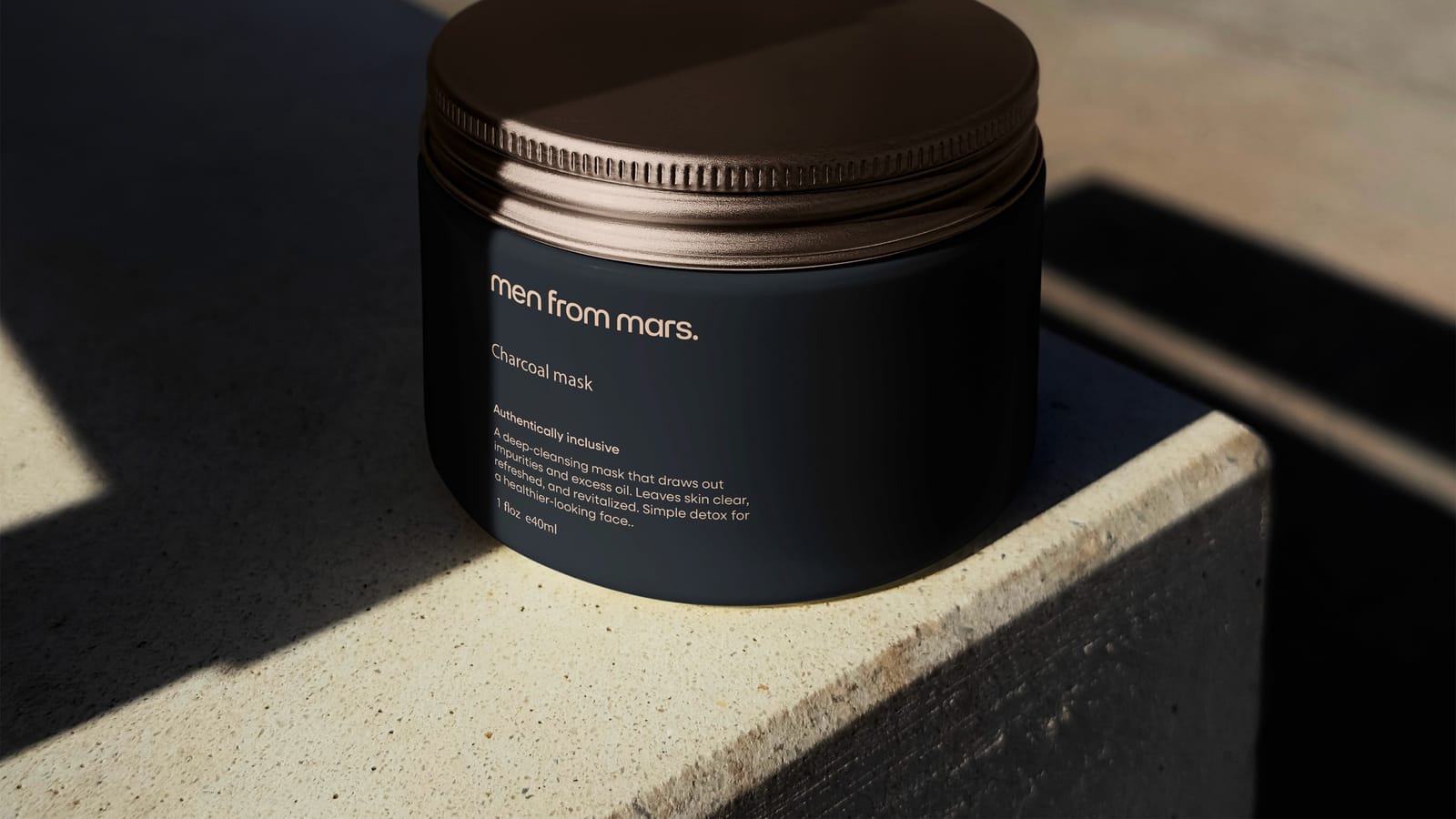
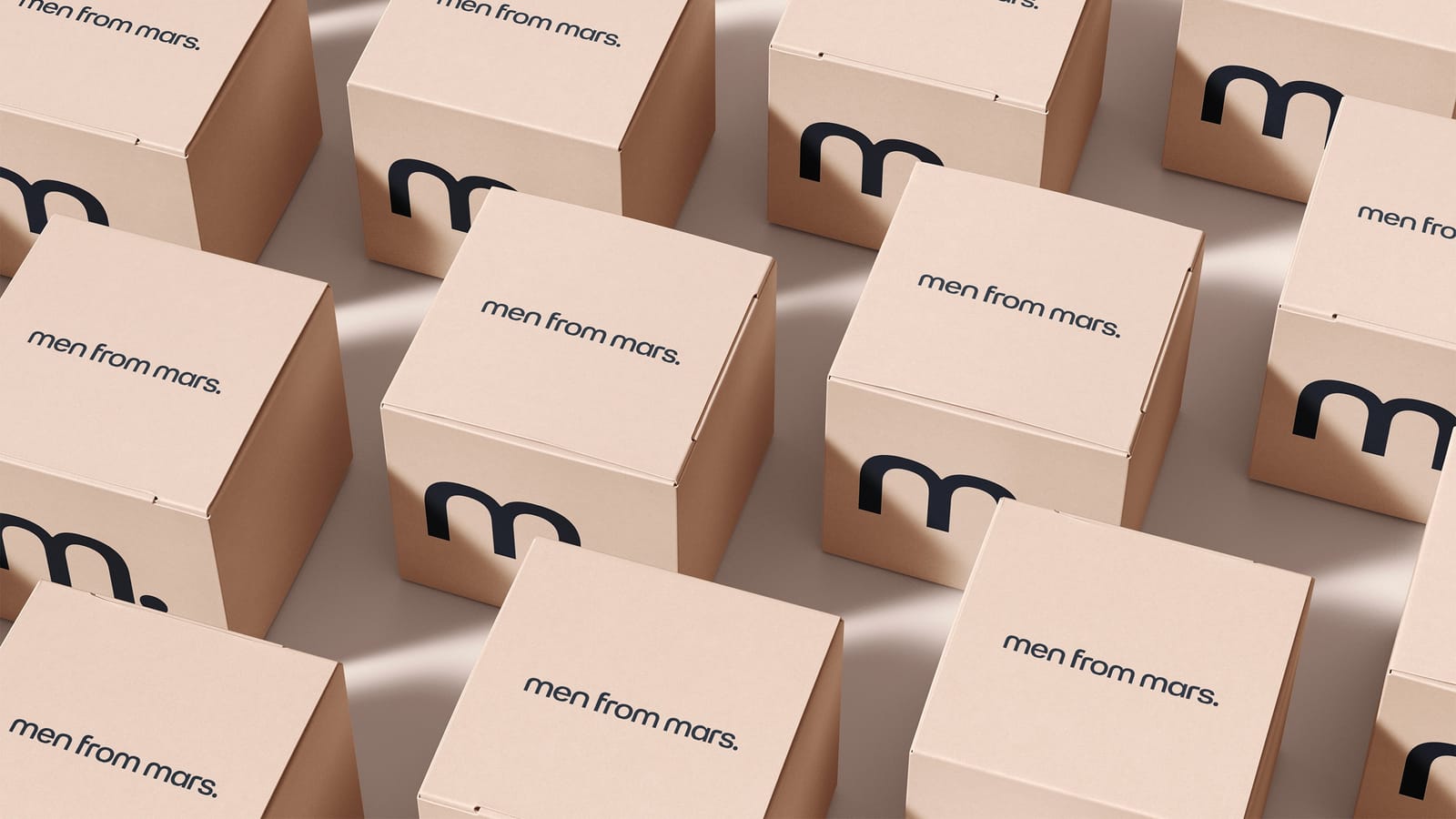
See our Men from Mars project, or book a free brand consultation to discuss yours.