Brand Strategy vs Brand Identity: What's the Difference and Which Do You Need?
People use "branding", "brand strategy" and "brand identity" as if they were the same thing. They are related, but they do different jobs, and confusing them is one of the most common reasons branding projects disappoint.
In short, brand strategy is the thinking. Brand identity is how that thinking looks, sounds and feels.
What is brand strategy?
Brand strategy is the set of decisions that define what your brand is for and how it will win. It answers questions such as:
- Who are we for, and who are we deliberately not for?
- What do we offer that others do not, or do not do as well?
- What do we stand for beyond what we sell?
- How do we want people to describe us when we are not in the room?
The output is usually a combination of documents and tools: audience definitions, a positioning statement, brand values, a brand narrative and guidelines on tone of voice. If you want to write the positioning part yourself, our guide to writing a brand positioning statement walks through it.
Strategy is not visible on its own. You cannot see a positioning statement on a shop front. What you see is its effect: consistent decisions about what to say, what to show and what to leave out.
What is brand identity?
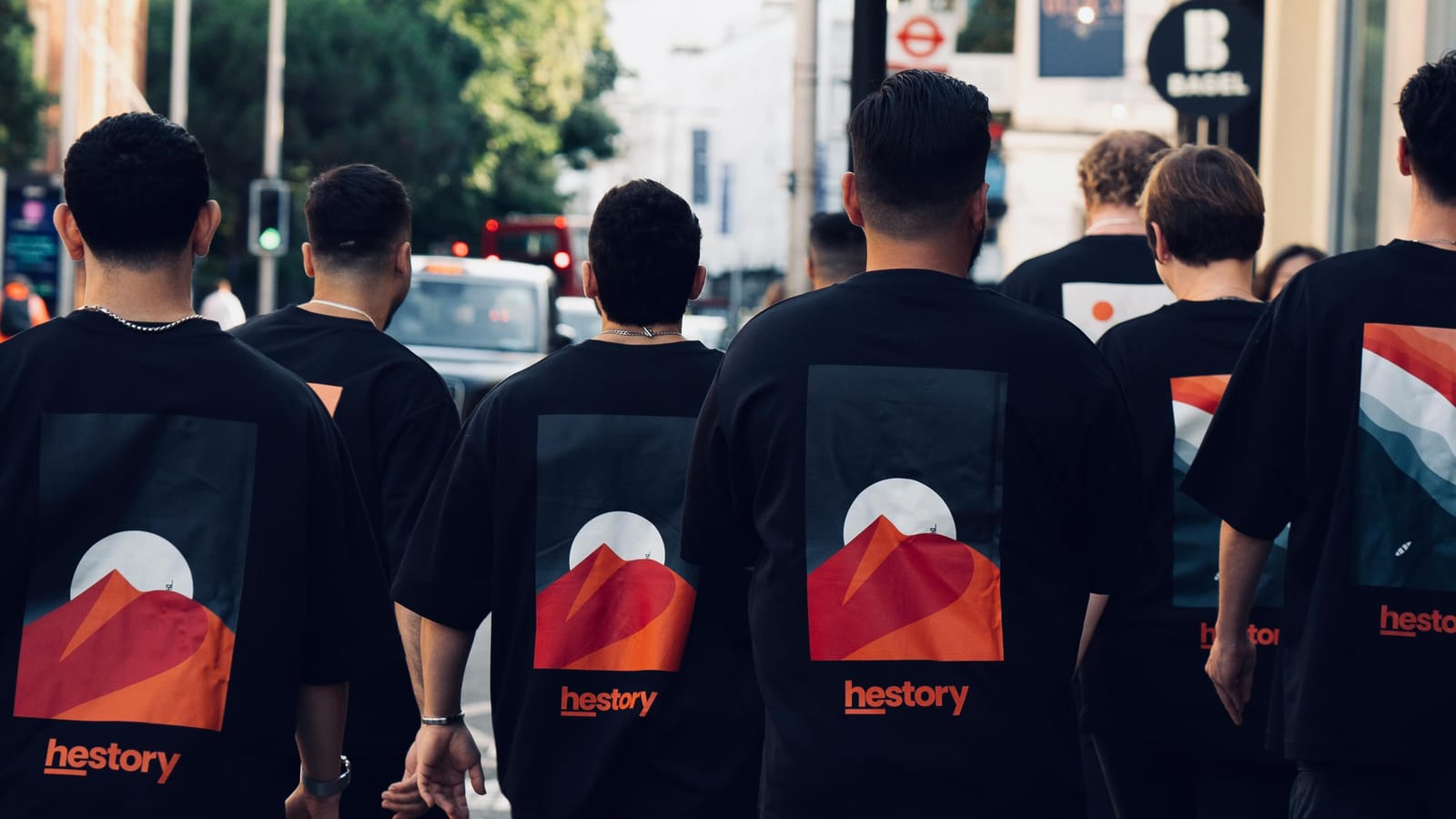
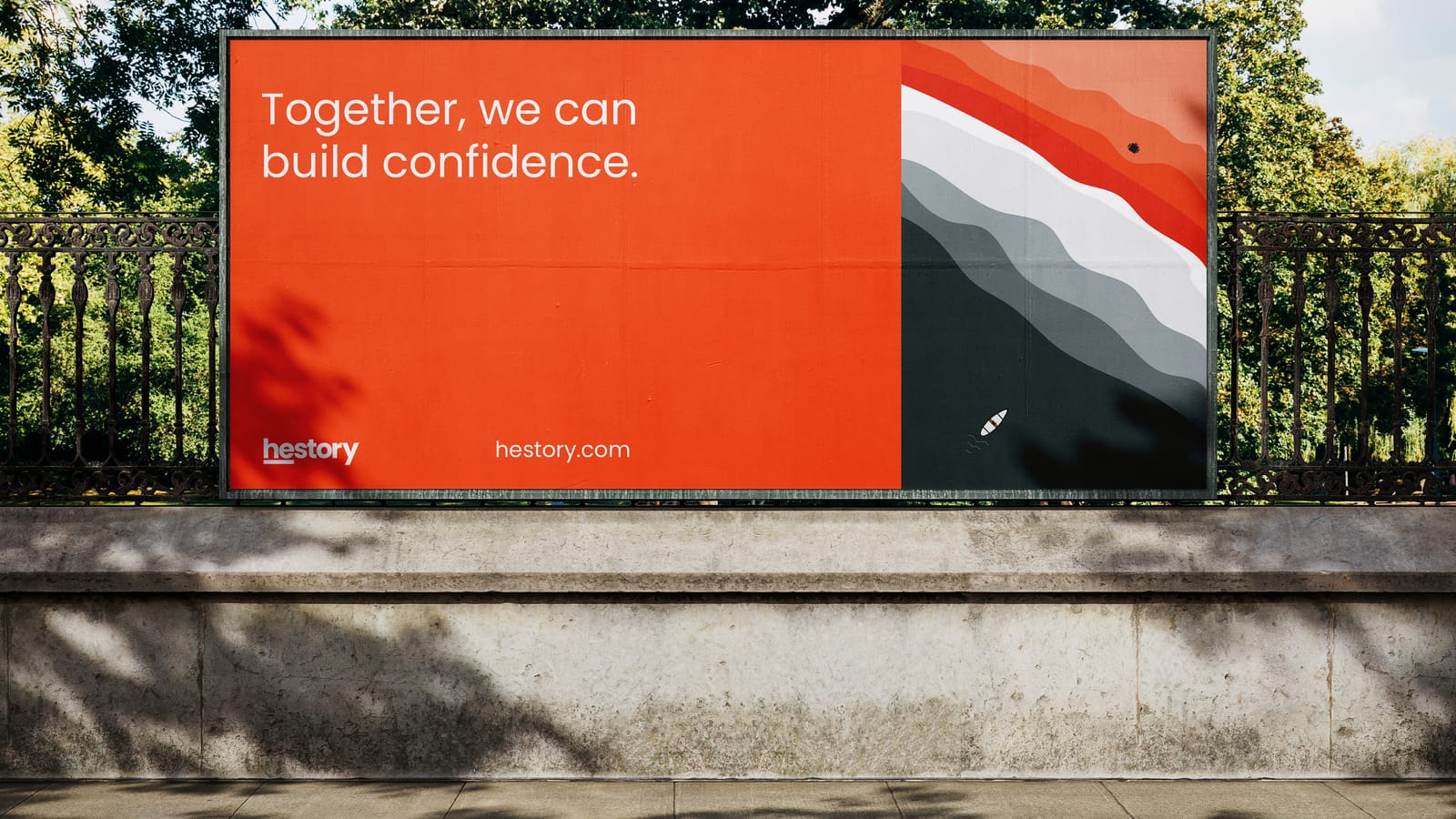
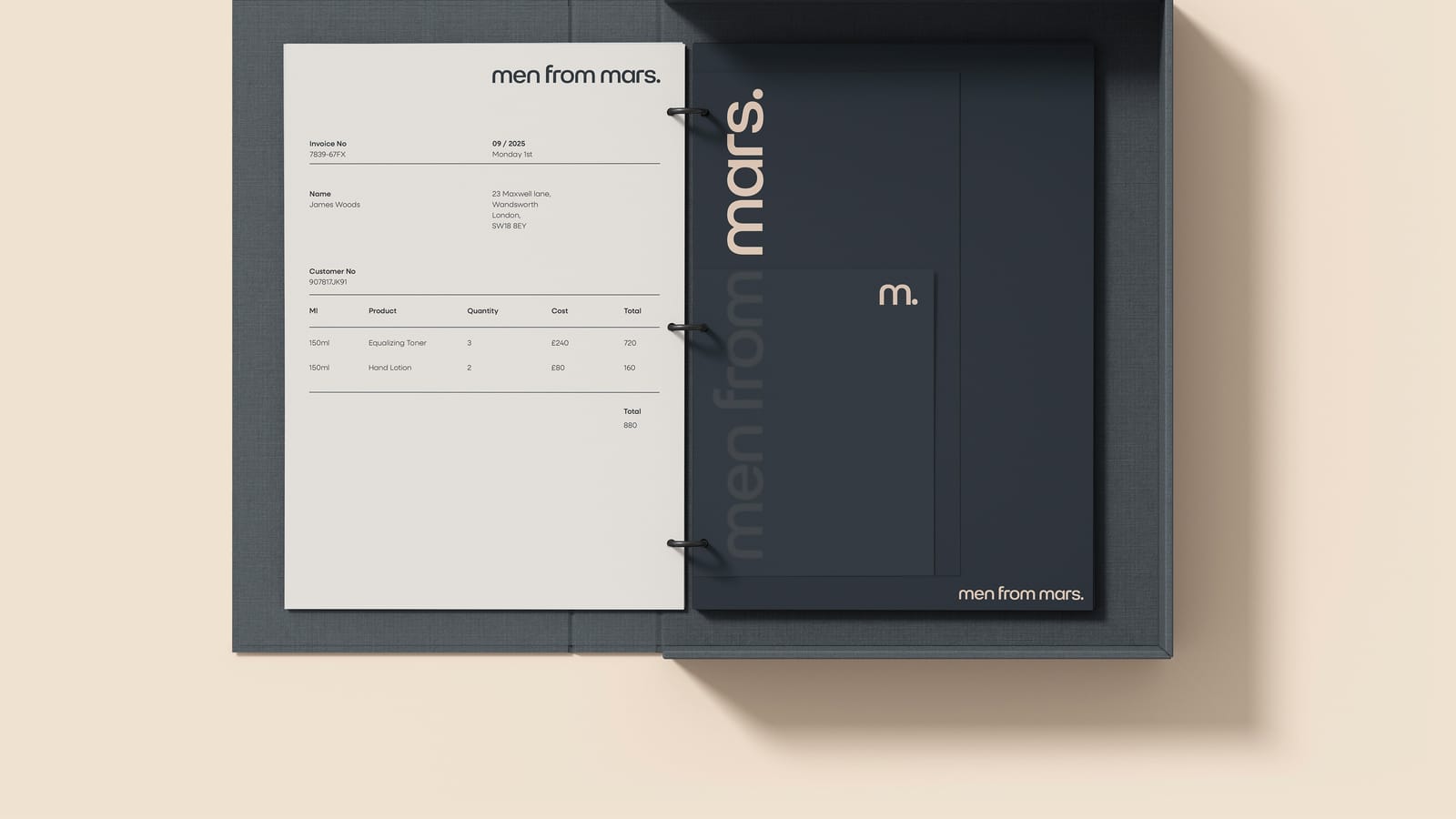
Brand identity is the visible and audible expression of the brand. It typically includes:
- A logo and logo variations
- Colour palette and typography
- Imagery and illustration style
- Graphic devices, patterns and layout principles
- Tone of voice in practice, such as headline and caption style
- Applications: stationery, packaging, signage, digital templates, social media
Done well, identity makes a brand recognisable at a glance and consistent across every touchpoint. For a closer look at what belongs in the system and how to document it, see what to include in brand guidelines.
How they differ
| Brand strategy | Brand identity | |
|---|---|---|
| Question it answers | Why us, for whom, and how are we different? | How do we look, sound and feel? |
| Main output | Positioning, audience, values, narrative | Logo, colours, type, imagery, guidelines |
| Who it is for | Founders, leadership, every team member | Customers, partners, the market |
| What goes wrong without it | Visuals that look good but say nothing | Strong ideas that nobody recognises |
Why one without the other tends to fail
A logo without strategy is decoration. It may be handsome, but nobody can say why it fits, so every later decision about colour, photography or packaging becomes a matter of opinion.
Strategy without identity is an idea nobody can see. The business knows what it stands for, but customers do not, because the brand looks and sounds like everyone else in the category.
The combination is what builds a brand that works. The strategy gives each design choice a reason, and the identity gives the strategy a form people can remember.
Which should you start with?
Start with strategy if:
- You are launching a new business or product
- You are entering a new market or moving upmarket
- Your business has changed and the brand no longer fits
- You cannot explain, in one sentence, why customers should choose you
- Different people in your team describe the business in different ways
Start with identity if:
- Your positioning is already clear and well tested
- The business is sound, but its visuals look dated or inconsistent
- You need a more professional presentation to match the quality of what you sell
Most businesses benefit from at least a light strategy phase before design begins, even when the answers feel obvious. Our guide to the signs it's time to rebrand can help you judge how deep the work needs to go.
How agencies usually structure the work
A typical project moves through four stages:
- Discovery. Interviews, audits and research into the market, customers and competitors.
- Strategy. Positioning, audience, values and narrative, agreed before any design begins.
- Identity. Design routes, refinement and the full identity system with guidelines.
- Rollout. Applying the brand to packaging, web, print, signage and campaigns.
Working in this order keeps design decisions tied to business reasons, and it makes feedback more productive, because everyone is judging the work against agreed goals rather than personal taste.
Frequently asked questions
Can I do brand identity without brand strategy?
You can, but the result is harder to defend and harder to apply. Even a short strategy workshop gives the design work a clear brief and shared criteria for approval.
How long does brand strategy take?
For most small and mid-sized businesses, a focused strategy phase takes a few weeks, depending on how quickly interviews and decisions can happen. Larger organisations with more stakeholders take longer.
Is brand strategy only for big companies?
No. Smaller businesses often gain the most, because clear positioning helps them compete without large marketing budgets. See how we approach this in our work for small business branding.
Who should be involved on the client side?
The decision-maker, plus one or two people who understand customers day to day. Too many voices slow the work, and too few miss important context.
If you are unsure which stage you need, we are happy to talk it through. Book a free brand consultation and we will give you an honest view.