 Hestory
 How much does branding cost in the UK?
 Men from Mars
Packaging
Oatly: How a Carton Became the Advertising
Oatly treated its cartons as its main media channel, with a hand-made look and conversational copy. What small brands can learn about packaging as marketing.
Oatly is often held up as a brand that did a lot with a little. With limited money for advertising, it treated its packaging as its main media channel. The approach offers a lesson for any brand that sells a physical product.
In this article
What happened
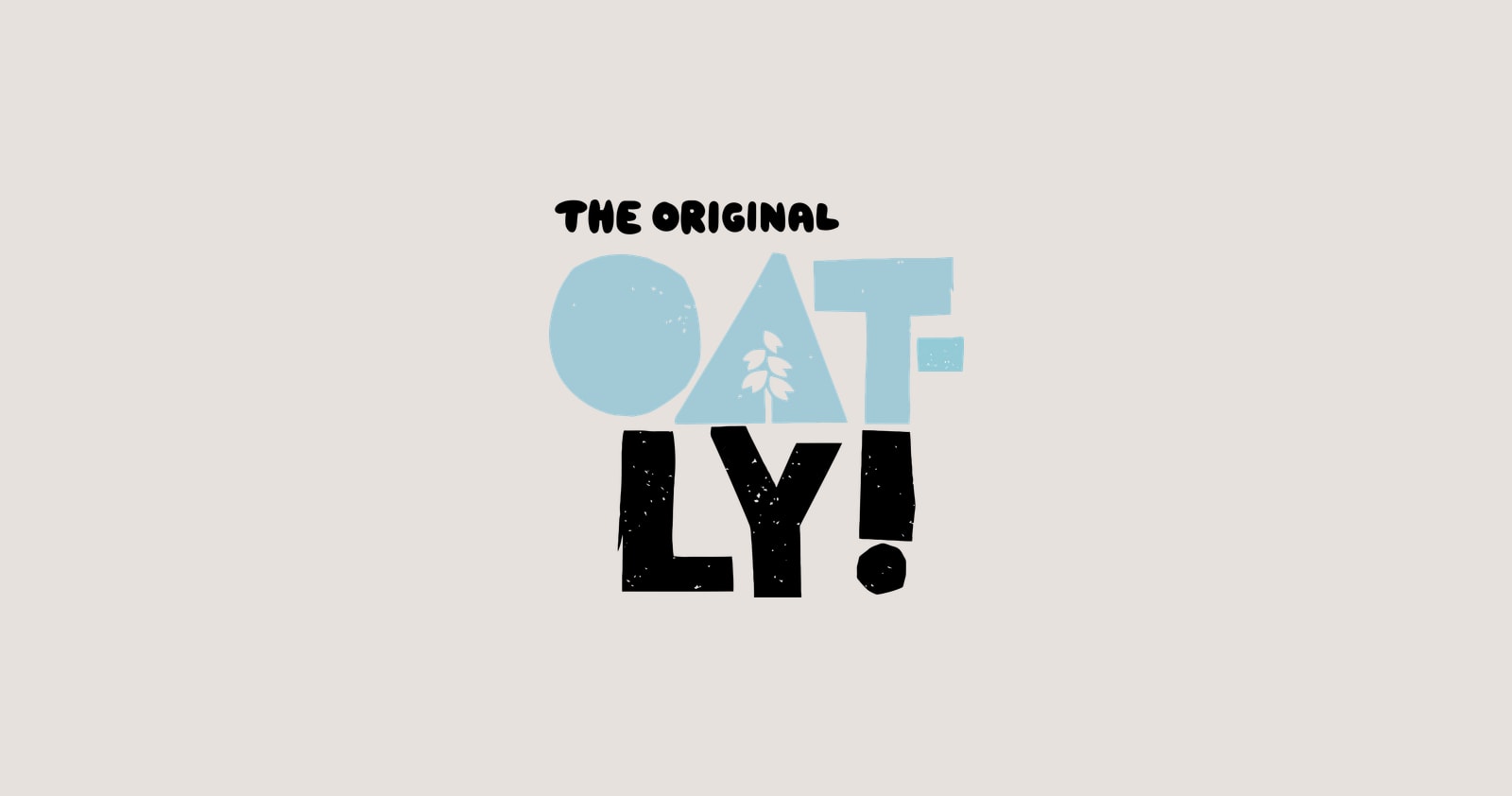
Oatly, the Swedish oat drink maker, was a small company for years. Labbrand’s account describes how the brand was reshaped after a new chief executive, Toni Petersson, arrived in 2012. The old cartons had a small red logo in a corner and looked like everything else. Because the company had little money for advertising, it decided the carton itself should do the talking. Sources say the agency Forsman & Bodenfors was brought in around 2015 to overhaul the identity and packaging, though accounts differ on timing.

The result was a hand-drawn, text-heavy look that seemed to have been made without a design agency. Every panel carried conversational copy. One line, “It’s like milk but made for humans”, appeared on packaging and in advertising in Sweden around 2014 and led to a lawsuit by the dairy trade body LRF Mjölk, as described in The Challenger Project. Sources differ on the date of the ruling. Oatly later used the line in UK advertising in 2018.
Some figures reported by agencies involved are promotional, so treat the sales claims with caution. The core story is consistent: packaging as media, a distinctive voice and a willingness to be different.
Why it worked
- The pack did the marketing. A carton is seen in the fridge, on the table and in the shop every day.
- A strong voice. Plain, funny, direct copy made the brand feel like a person.
- It looked different. In a category of clean, polished packs, a rough, hand-made look stood out.
- It took a stand. The tone and the line showed what the brand believed.
- It was consistent. The same voice ran through packs, ads and the website.
What other product brands can learn
- Treat the pack as a channel. What does it say when someone reads it at breakfast? See our guides to food and drink packaging and packaging design examples.
- Develop a voice. Try our brand voice exercises.
- Be brave in a crowded category. Look at what competitors do and choose something else. See competitor analysis for branding.
- Stay on the right side of the rules. Claims on packs and in ads are regulated. Check the guidance that applies to your product and market, and take advice for anything sensitive.
- Keep it consistent. Voice only works if it’s used everywhere.


A word of balance
A bold, informal style doesn’t suit every brand. A premium skincare line or a healthcare provider needs a different tone. The lesson isn’t to copy the look, but to ask what your pack can say that nobody else’s does.
If you want packaging that works as hard as your advertising, see our packaging design agency London page or book a free brand consultation.
Sources
- How Oatly became the trendiest plant milk on the market by branding, Labbrand
- People said I was ruining this company: John Schoolcraft on the transformation of Oatly, The Challenger Project
Cover photo by Madalyn Cox on Unsplash.