 Hestory
 How much does branding cost in the UK?
 Men from Mars
Brand strategy
Dunkin’ Drops ‘Donuts’: When Should You Simplify Your Brand Name?
Dunkin’ Donuts became Dunkin’ in 2019 to reflect its beverage focus. When it makes sense to shorten or change a brand name, and how to do it safely.
When Dunkin’ Donuts became simply Dunkin’ in January 2019, the change looked small, but it was a significant decision about what the brand wanted to be known for. It’s a useful story for any business whose name no longer matches the business.
In this article
What happened
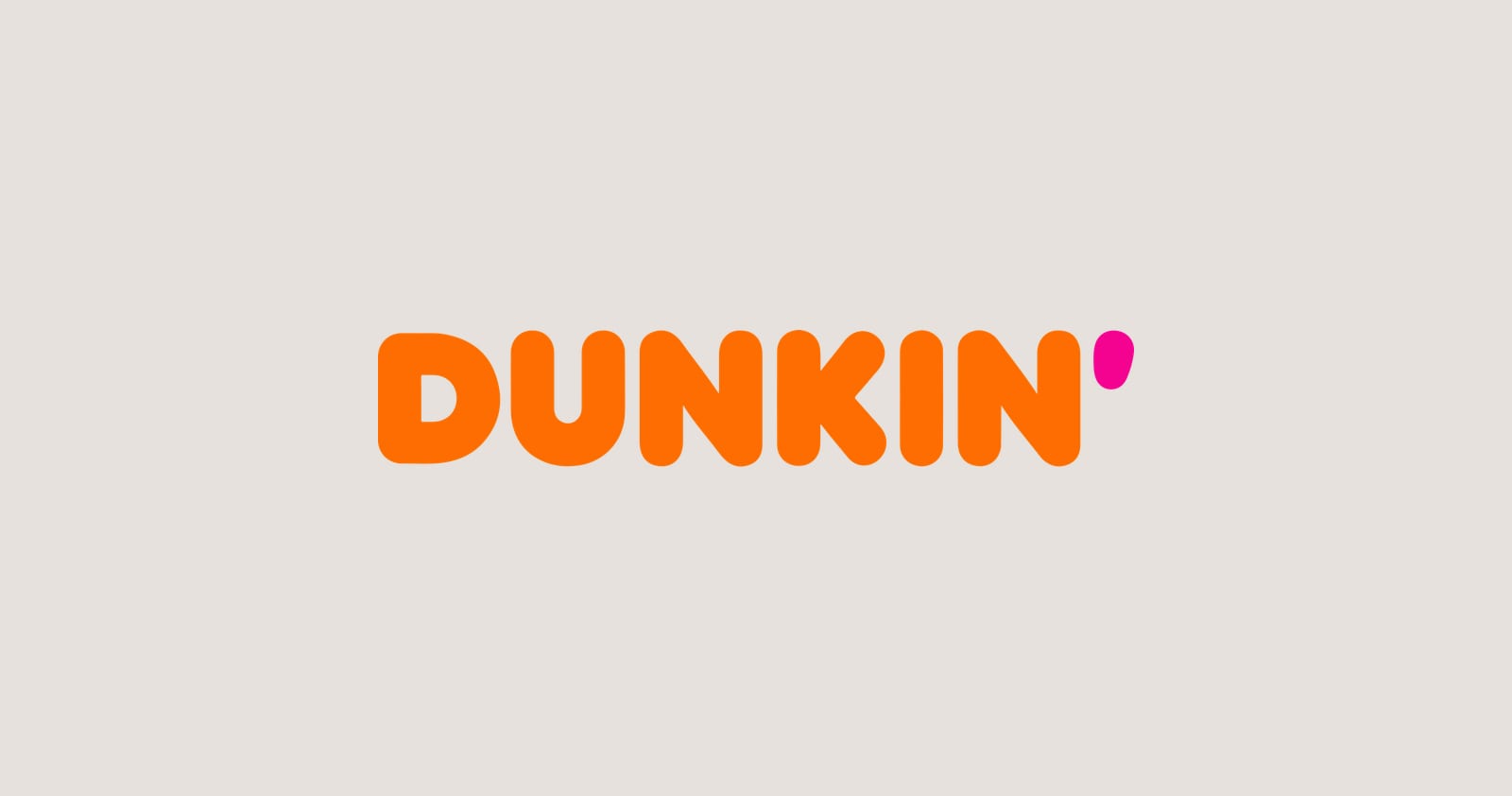
The company announced the plan at its franchisee convention on 25 September 2018, according to WGBH’s report. From January 2019, the chain would be called simply Dunkin’ in US stores after a trial in selected locations. The company explained that the move reflected its focus on beverages, which brought in about 60% of its sales. Its chief marketing officer stressed that doughnuts would stay on the menu. The logo kept the pink and orange colours and rounded lettering the brand had used since 1973, and the new name rolled out in stages on signs, boxes and napkins.

Why it made sense
- The name described the past. Most sales came from drinks, so “Donuts” pointed at a smaller part of the business.
- Shorter is easier. A short name fits on small screens, apps and takeaway cups. People were already saying “Dunkin’”.
- Nothing else changed. The colours and typeface stayed, so recognition was protected.
- It was staged. A trial and gradual rollout reduced risk.

When to simplify your own name
Consider it if:
- People already use a shorter version of your name.
- The name describes only one part of what you sell.
- It’s long, hard to spell or difficult to fit into a logo or domain.
- You plan to expand into new products or places.

Be careful if the name carries trust, search traffic or a legal protection that you would lose. Check the basics in our brand name checks guide.
How to do it safely
- Check how people already refer to you. Use customer language, not internal habit.
- Keep the distinctive assets. Colour, type and tone carry recognition. See Mastercard dropping its name for how to judge this.
- Add a descriptor if needed. A line under the name can explain what you do without limiting the brand.
- Plan the practical changes. Domains, email, signage, legal documents and listings all need to be updated.
- Tell people. Explain what is changing and what isn’t.
- Phase it. Trial first, then roll out.
Where to learn more
Our naming guide covers how to choose a name that will last, and our rebrand process guide puts the steps in order. If your name no longer fits your business, book a free brand consultation.