Brand Guidelines Examples: What Great Guidelines Look Like and What to Copy
Searching for brand guidelines examples usually produces a flood of beautifully designed PDFs. Many look impressive and are never used. The useful examples are the ones that make correct use of a brand easy. This article looks at what the best guidelines have in common, with some well-known historical and public examples to learn from.
Descriptions of other organisations' documents are our observations of what is publicly known, not endorsements.
Examples worth studying
NASA Graphics Standards Manual (1975)
A widely cited example of a rigorous identity system. It specified the logo, colour, type and applications in extreme detail, from letterheads to spacecraft markings. It is held up as an example of how a clear system allows a huge organisation to look consistent.
What to learn: specificity and applied examples make a system usable at scale.
British Rail Corporate Identity Manual (1965)
A historic manual for a national organisation, covering signage, vehicles, stationery and uniforms. It was designed to unify many separate operations under one look.
What to learn: guidelines are most valuable when many people produce materials in many places.
GOV.UK design system and style guide
Publicly available and continuously updated. It is practical: components, code, writing rules and guidance, with the reasoning for each choice.
What to learn: living, online guidelines with reasons and examples outperform static PDFs.
Mailchimp content style guide
Publicly shared. It treats voice and writing as seriously as design, with examples of right and wrong, and tone guidance for different situations.
What to learn: write the verbal identity as carefully as the visual. See our tone of voice guide.
What the best guidelines have in common
- They explain why. Rules with reasons are followed, rules without them are bent.
- They show real use. Examples on actual materials beat abstract diagrams.
- They are easy to find and search. A web page or hub beats a PDF buried in email.
- They include assets. Logos, fonts and templates sit next to the rules.
- They cover voice, not only visuals.
- They are short enough to read. A small business needs ten to twenty good pages, not eighty.
- They have an owner. Someone updates them and answers questions.
- They include dos and don'ts. Visual examples of misuse prevent the commonest errors.
A checklist for your own guidelines
- Brand story, purpose and values
- Positioning and audience
- Logo: variants, clear space, minimum size, misuse
- Colour with values for screen and print
- Typography with sizes and hierarchy
- Imagery and graphic devices
- Tone of voice with examples
- Applications: stationery, packaging, digital, social, signage
- Templates and downloads
- Contacts and approvals
Our article on what to include in brand guidelines goes through each section, and the brand book article covers the fuller form.
A real example from us
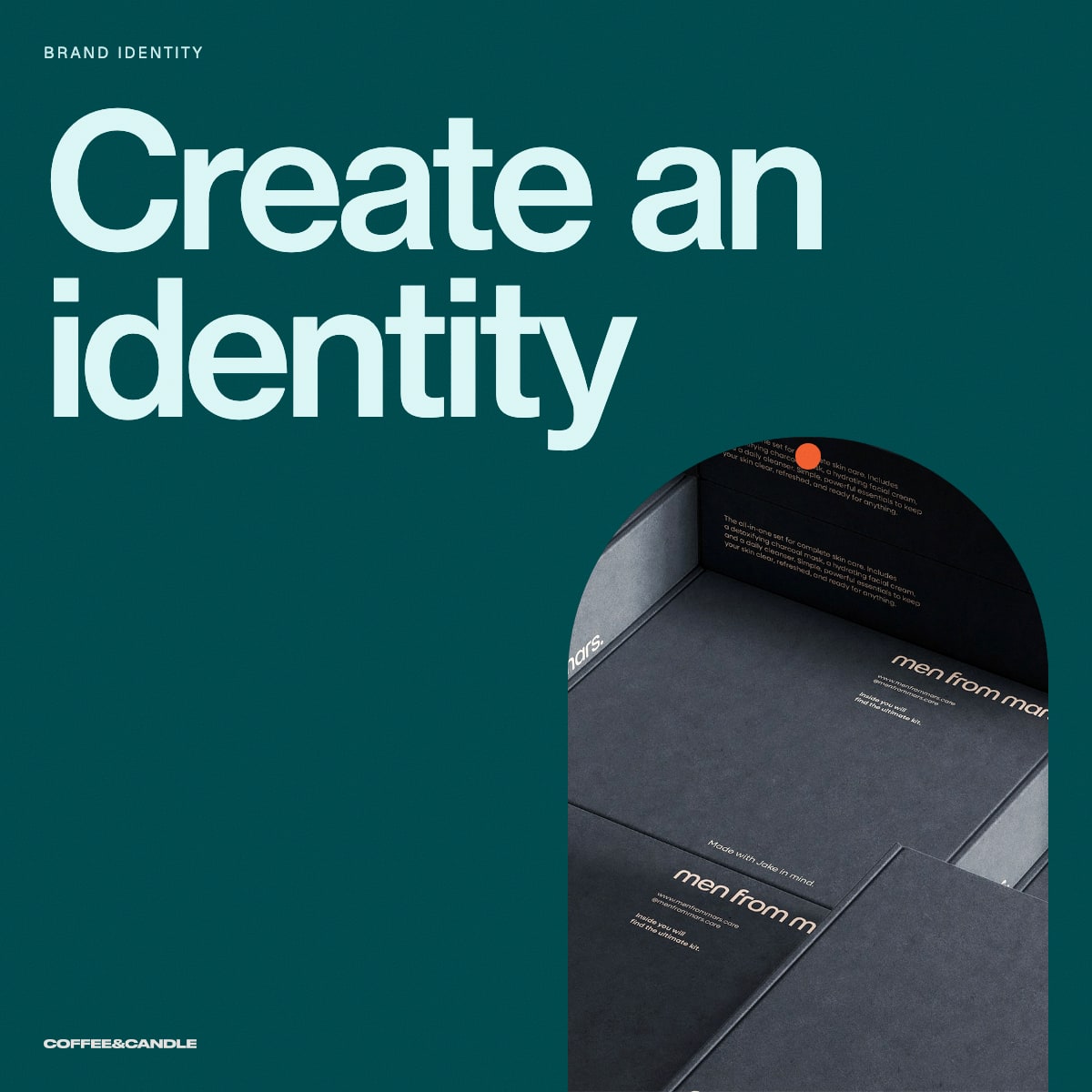
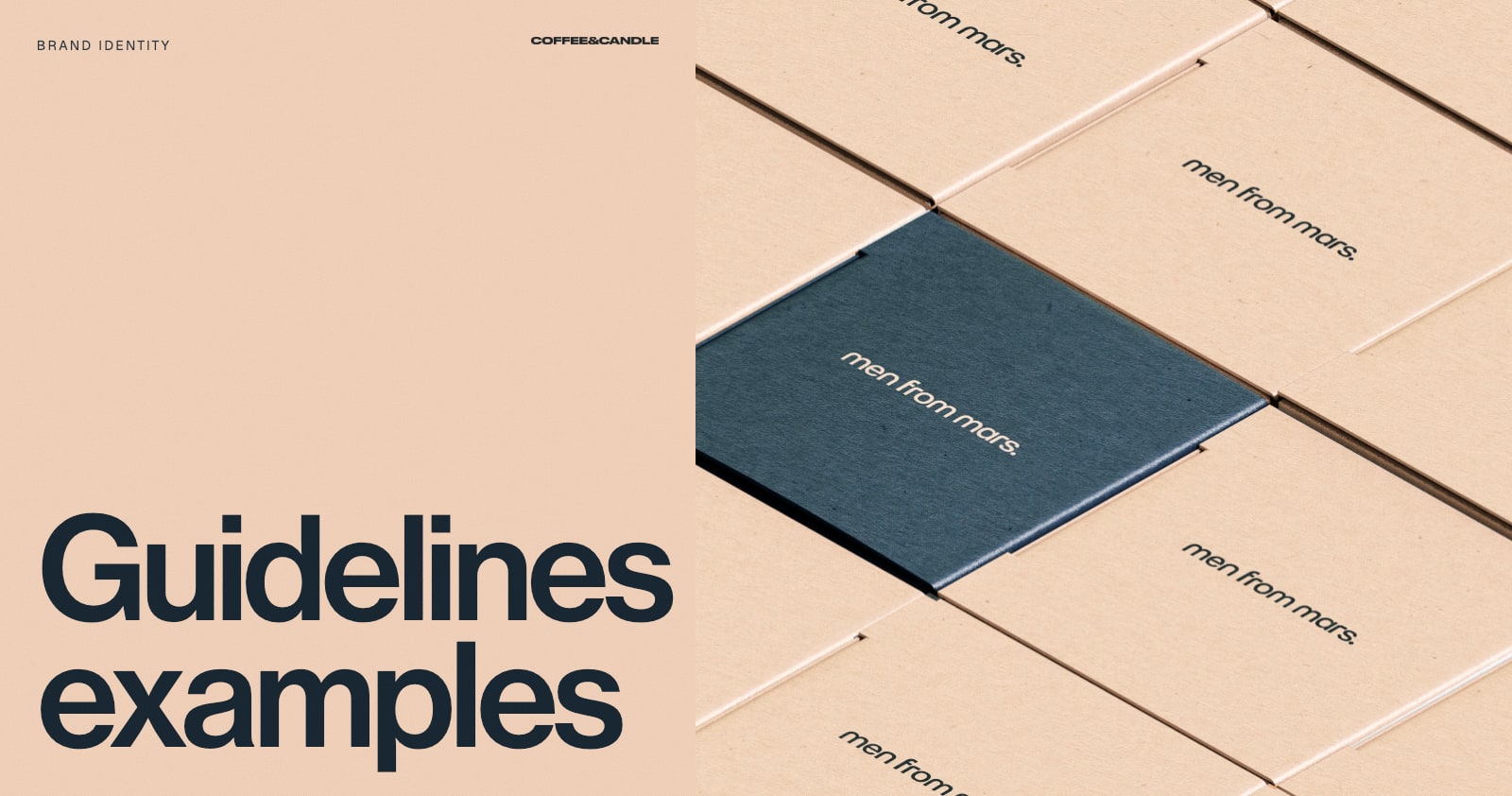
For Men from Mars, the identity runs across packaging, stationery, signage and delivery vehicles. A system like that only stays consistent when the rules are clear: the palette, the wordmark, the greeting style and how the parts combine.
Where to put them
- Web page or microsite: best for most businesses
- PDF: a short summary for suppliers
- Shared library: logos, fonts and templates in one folder
Common mistakes
- Treating guidelines as a design portfolio piece
- Documenting only the logo
- Never updating them
- Making them so restrictive that staff ignore them
- Forgetting digital and social
Frequently asked questions
What is the best format for brand guidelines?
A searchable web version with downloadable assets, supported by a short PDF.
How detailed should guidelines be?
Detailed enough that someone could produce correct materials without asking, and short enough that they will read it.
Do small businesses need guidelines?
Yes, in a lighter form. It saves repeated decisions and keeps materials consistent.
Can you create ours?
Yes, as part of an identity project. See our brand identity guide or book a free brand consultation.