
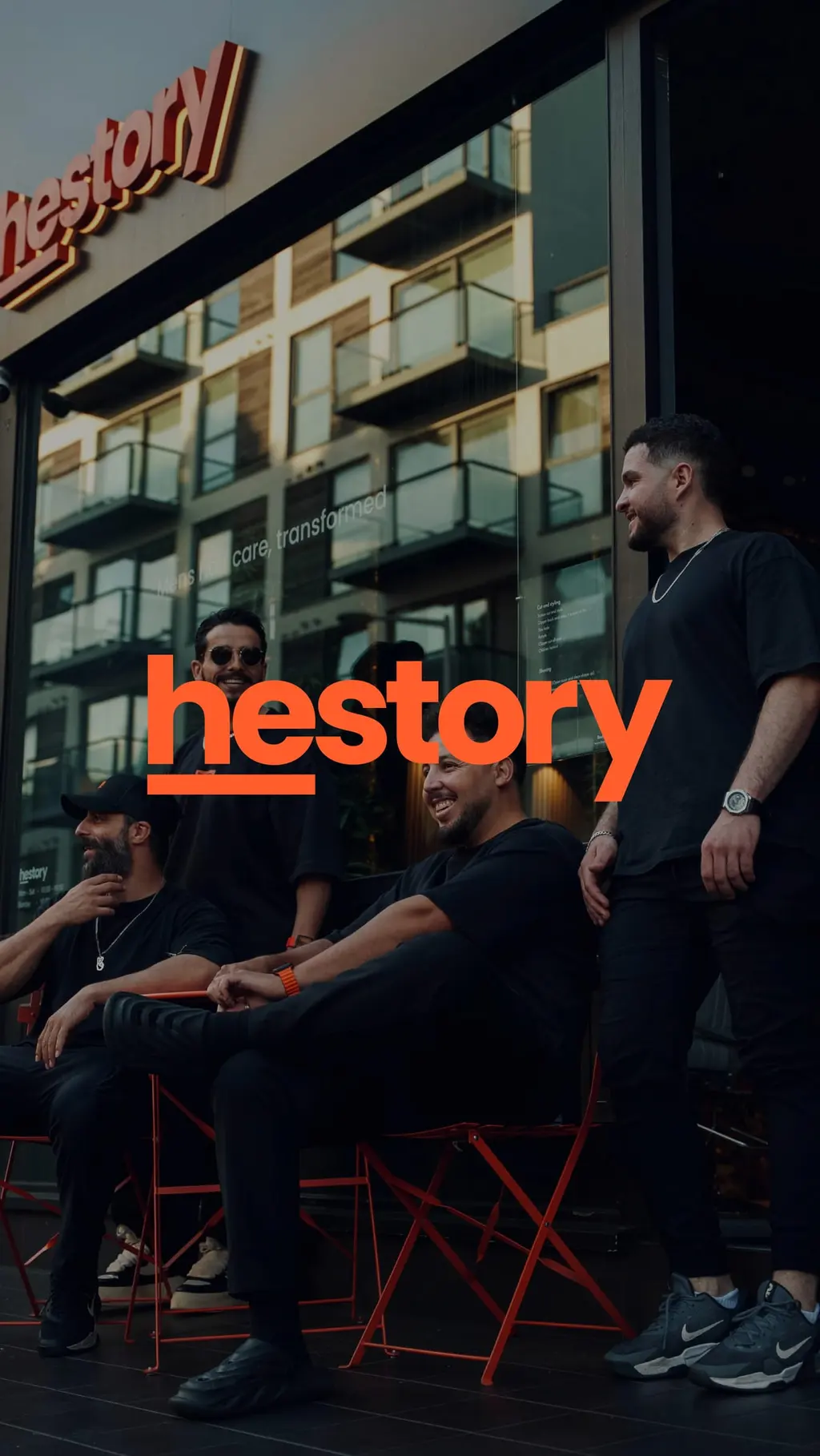
 Hestory
 How much does branding cost in the UK?
 Men from Mars
Beauty and Grooming Brand Identity: Standing Out in a Crowded Market
Beauty and grooming brands compete on trust, taste and shelf appeal. Learn how to build a distinctive identity, from positioning to packaging and tone.
Few categories care about image as much as beauty and grooming. The products are personal, often expensive, and mostly sold on how they make people feel. New brands launch every week, the big groups own the shelves, and social media has made it easier to start and harder to look good enough.
In this article
So here, identity isn’t decoration. It’s how a brand gets noticed, shows what it stands for, and earns its price.
What customers are weighing up
People buying beauty and grooming products are asking several questions at once:

- Is this me? Personality matters a lot.
- Can I trust it? Ingredients and claims get picked apart.
- Does it look like what it costs? A premium price needs premium cues.
- Would I show it off? These products live on bathroom shelves and in social feeds.
And a brand usually gets one image to answer all four.
Positioning first, design second
Broad positioning is hard to defend. Narrow it down:
- Who’s it for, in terms of their life and values, beyond age and gender?
- What does it fix, or what mood does it create?
- What do you stand for that others don’t?
- Where does it sit on price?
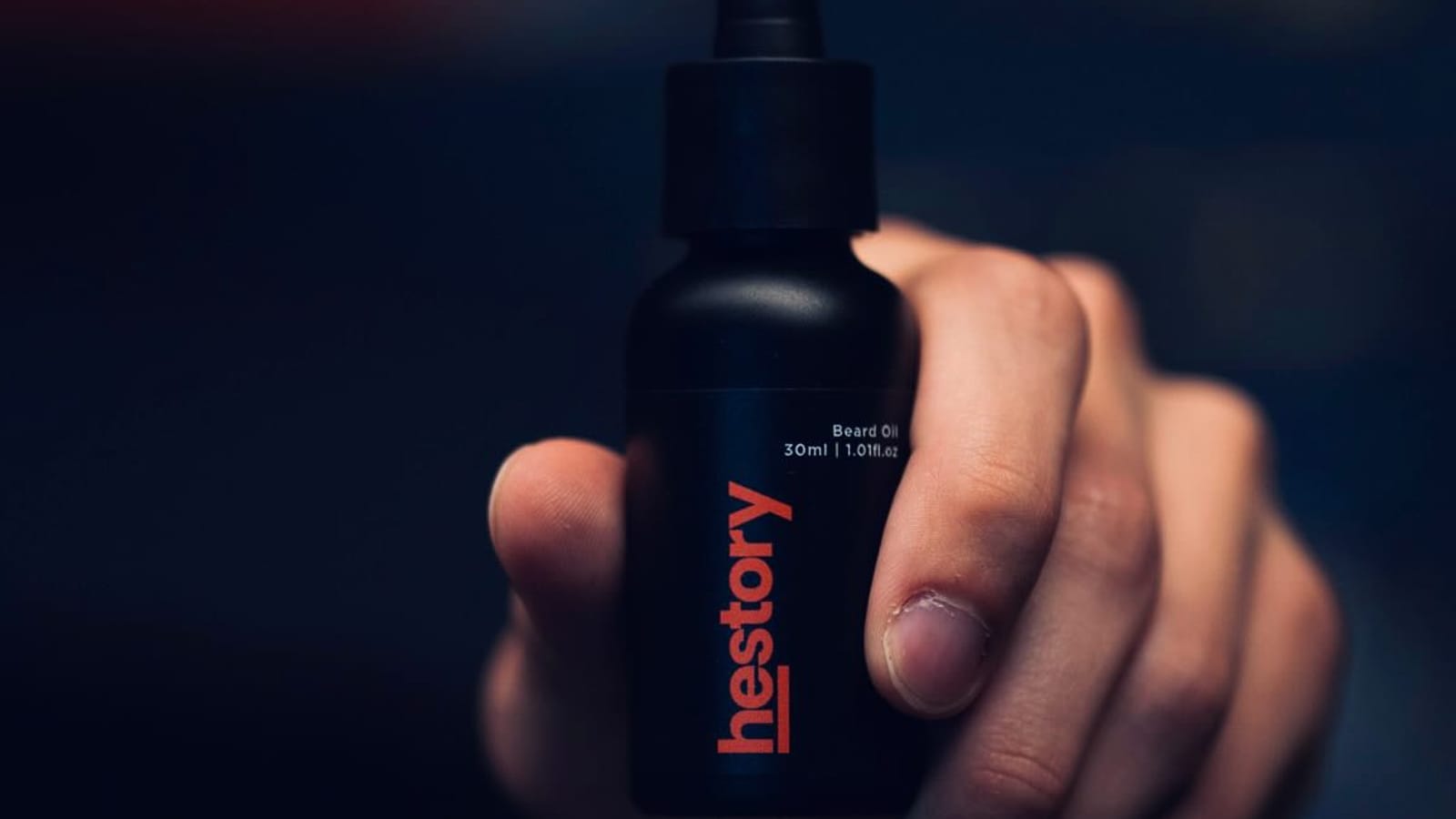
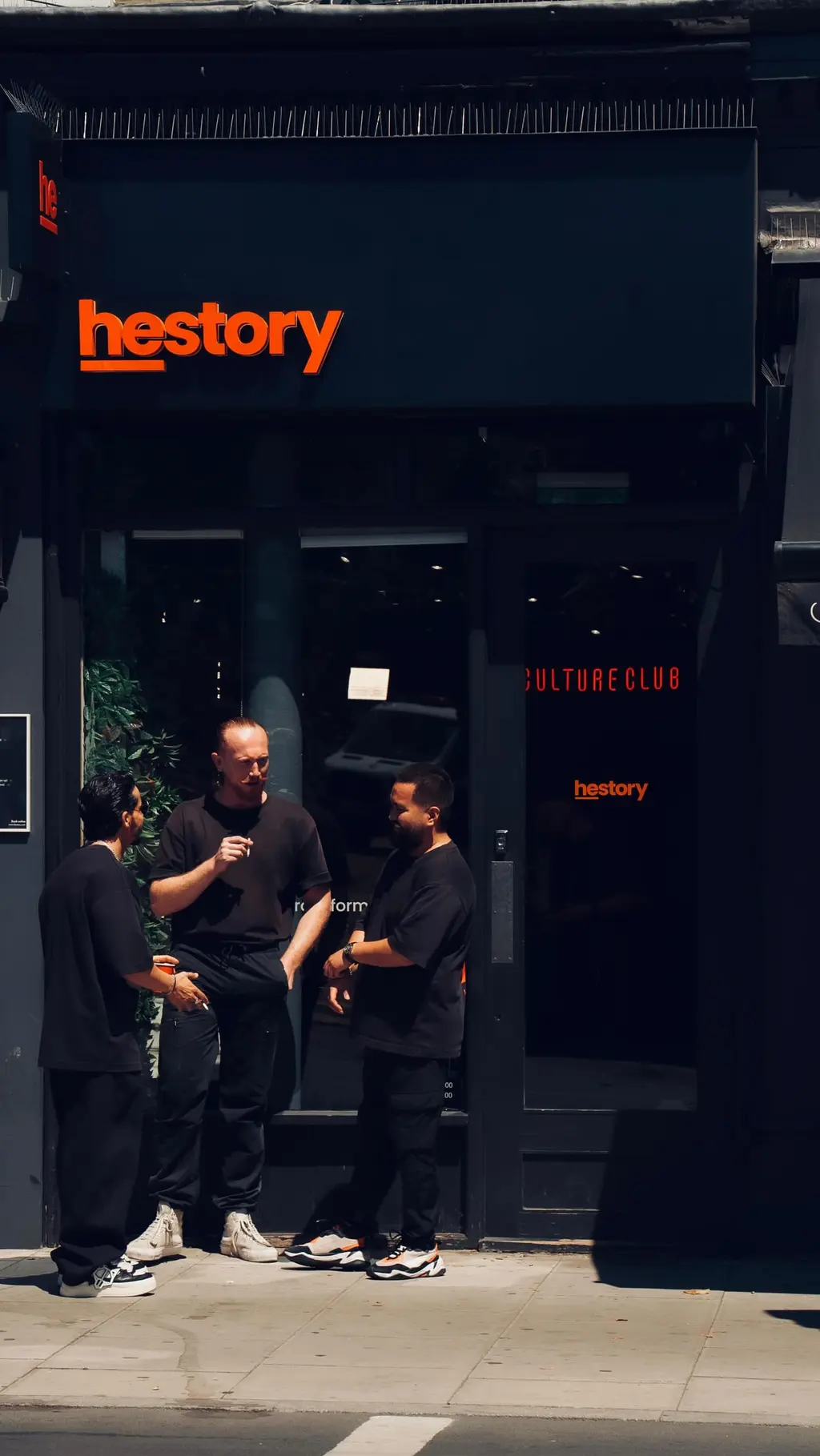
Turning a trend into something that lasts depends on getting this right. See how we approached it in our Hestory men’s grooming rebrand, and the wider rebrand process.
A distinctive identity
A core people recognise
Pick a logo, palette and type that are clearly yours. In a category full of soft neutrals and the same minimal fonts, standing out is harder, which is exactly why it’s worth more.
A range that holds together
Ranges grow fast: cleansers, serums, fragrances, accessories. Design a system that can stretch, with clear rules for colour coding, naming and hierarchy. See brand architecture if you add sub-ranges.
A personality people believe
Voice and imagery should match the product and the customer. A clinical brand and a playful one need different words, different photography and different details. Our tone of voice guide helps with the writing.
Imagery that earns trust
Photography, models and styling shape how people see you. Think about diversity, honesty and the story your pictures tell. Steer clear of anything that overpromises or feels staged.
Packaging does the heavy lifting
In this category the packaging is often the most important thing you make. It has to:
- Look good on a shelf and on a screen
- Explain how to use it, what’s in it and what it does
- Feel nice in the hand
- Protect the formula
- Meet labelling law
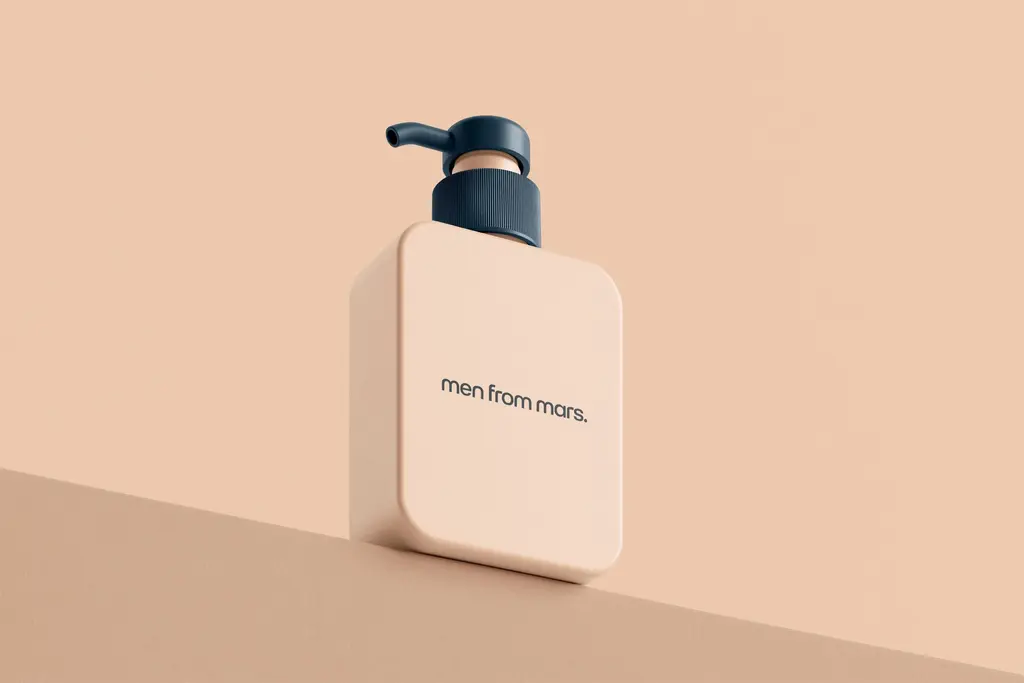
Think about structure, materials and finishes together. Our packaging design process and packaging brief template explain how.
Rules and claims
Cosmetics and grooming products are regulated in the UK, covering ingredient lists, warnings, safety assessments and what you’re allowed to claim. The rules change, so check the current requirements with the relevant authorities or a regulatory specialist. Design the mandatory information in from the start.
Online and social
Beauty lives online. Make sure your identity works for:
- Product pages and thumbnails
- Short video and social formats
- Creator and influencer content
- Marketplace listings, where you’re surrounded by competitors
Give partners guidelines so they show the brand properly. See brand consistency across channels.
Common mistakes
- Chasing a look that’ll date in a year
- Looking premium without the quality to back it up
- Covering packaging in claims
- Looking different at every stockist and on every channel
- Ignoring men or gender-neutral buyers where they matter, or stereotyping them
- Not testing
Frequently asked questions
Do beauty brands need a full strategy?
Yes. It’s the difference between a nice-looking product and a brand people remember.
How much does the name matter?
A lot. It needs to be memorable, easy to say and free of conflicts. See the naming guide.
Can small beauty brands compete with big ones?
Yes, by being specific, genuine and consistent, and by owning a niche.
Can you help launch or refresh a grooming or beauty brand?
Yes. Book a brand consultation, or see our brand identity services.







 LinkedInCompany page
 Instagram@itscoffeeandcandle
 Facebook@itscoffeeandcandle