 Hestory
 How much does branding cost in the UK?
 Men from Mars
Brand strategy
Rebranding Ideas: 10 Ways to Refresh Your Brand Without Starting Over
A full rebrand isn't the only option. Ten rebranding ideas, from a simple refresh to a new name, and how to choose the right scale of change for your business.
When people talk about rebranding, they usually picture a new logo and a launch party. In practice, most good rebrands are smaller, more targeted and less dramatic. The trick is matching the size of the change to the size of the problem.
In this article
Here are ten rebranding ideas, roughly from lightest to heaviest. Start at the top and only go further down the list if the problem needs it.
1. Sharpen what you say
Sometimes the brand isn't the problem, the words are. If people don't understand what you do or why they should pick you, a clearer headline, description and set of key messages can change more than a new logo would. This is the cheapest change on the list and often the most useful. Our guide to writing a positioning statement is a good place to start.
2. Fix your tone of voice
If your website sounds like a law firm and your social media sounds like a teenager, your brand feels like several businesses at once. Pick a voice and use it everywhere. We explain how in our tone of voice guide.
3. Tidy your colours and fonts
Many brands have drifted over the years. A dozen near-identical blues, three typefaces and logos in different shapes. Choose a tighter palette and two typefaces, and apply them consistently. It looks like a bigger change than it is.
4. Refresh the logo, keep the idea
A refresh keeps the recognisable shape and tidies it up: cleaner lines, better spacing, a version that works at small sizes and on screens. People still recognise you, but you look more current. It's the right move when the logo is sound but dated.
5. Redesign the website around the brand
A new site is often the most visible change to customers. If your current one is slow, cluttered or doesn't reflect how you work, rebuilding it with a clearer structure and stronger proof can lift enquiries without touching the logo. See our website redesign checklist before you start.
6. Update your packaging and print
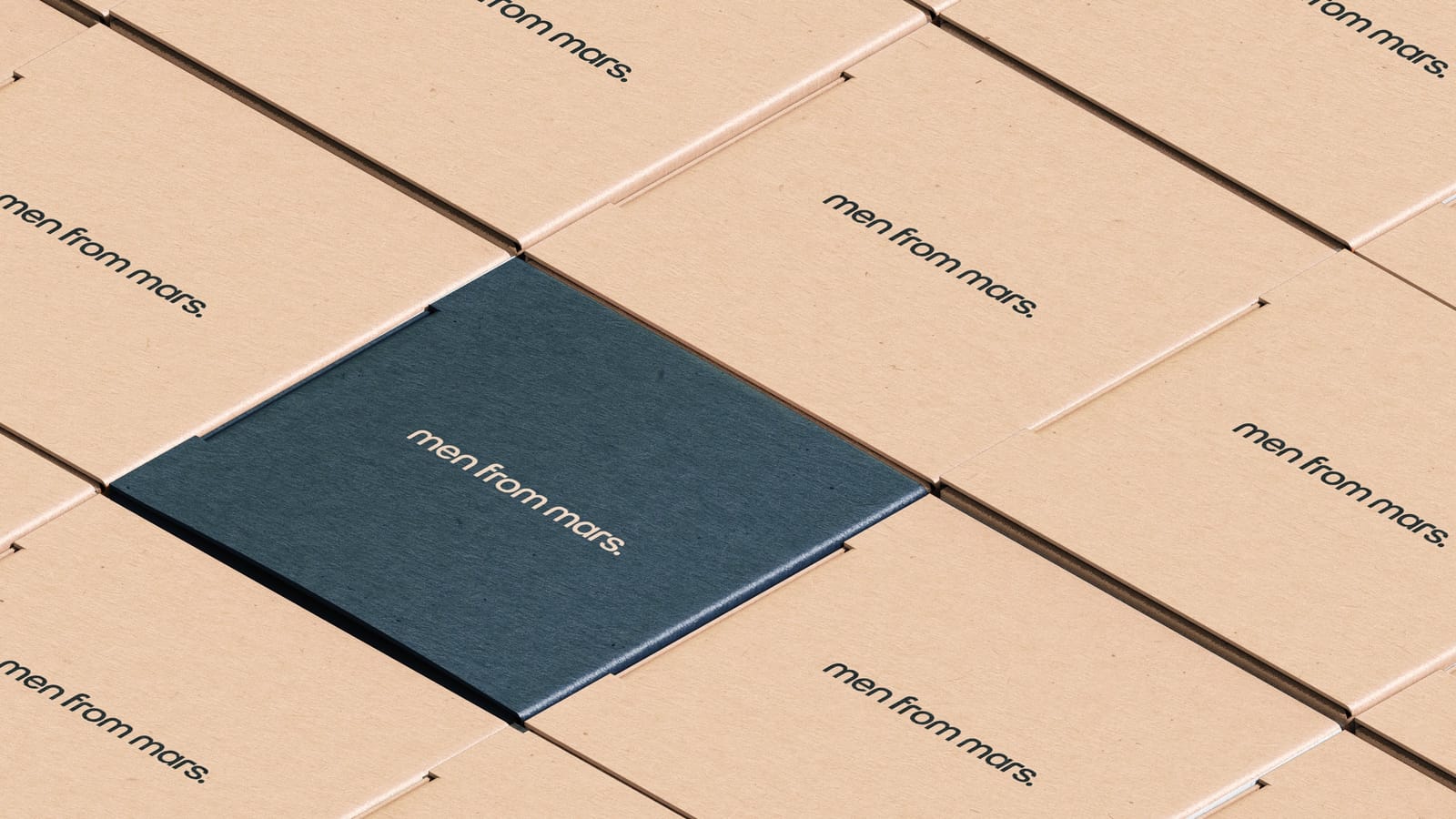
Where customers touch the brand physically matters. New labels, boxes, menus or business cards can make a brand feel finished even when the underlying identity is unchanged.
7. Add a sub-brand or range identity
Launching a new product line or service? You may not need to change the main brand at all. A defined sub-brand can give it its own feel while staying part of the family. Plan how it relates to the parent first, or you'll end up with a muddle.
8. Reposition for a new audience
Sometimes the business has moved on but the brand hasn't. You started selling to individuals and now sell to companies, or you were a local business and now ship nationwide. Repositioning changes who you speak to and how, and then the identity follows.
9. Change the name
The biggest step, and the riskiest. Only worth it if the current name is a real obstacle, for example it's hard to say or spell, it limits you to a product you no longer sell, or it clashes legally with another business. Check availability carefully. Our guide on name checks before you commit covers what to look for.
10. A full rebrand
Strategy, name, identity, voice, website and packaging, all changed together. It's right when the business has fundamentally changed, merged with another, or its reputation needs a clean break. It's also the most expensive and disruptive, so it should come last.
How to choose
Ask these questions in order:
- What's actually going wrong? Be specific. "We look dated" is a different problem from "customers don't understand us".
- Who's affected? Customers, staff, investors, or all three?
- What do people already like? Keep whatever has value, and change what holds you back.
- What can you afford to disrupt? Every change costs time, money and recognition.
If you can fix the problem with an idea from the top of this list, don't jump to the bottom. Our article on signs your business needs a rebrand helps you tell the difference.
Learn from real examples
Looking at what other brands changed, and why, helps you see what's proportionate. Our rebranding examples cover eight well-known cases, including ones that went well and ones that didn't.
Test before you launch
Whatever size of change you choose, try it on real customers before you commit. Our guide on how to test a rebrand shows how.
Frequently asked questions
How do I know if I need a rebrand or just a refresh?
If your strategy is sound but your look and wording are tired, a refresh will do. If the business itself has changed, or the brand misleads people about what you do, you're looking at a bigger rebrand.
Will rebranding lose me customers?
It can, if you change things people recognise without a good reason. Keep the cues that carry meaning, explain the change clearly and tell existing customers first.
How long does it take?
A messaging and tone update can take weeks. A full rebrand usually takes months, particularly once websites and packaging are involved.
Can you help us decide?
Yes. Book a consultation and we'll tell you honestly which end of this list fits your business. Our brand strategy work is built for exactly that question.